
Optical microscopy
Product Groups in "Optical microscopy"

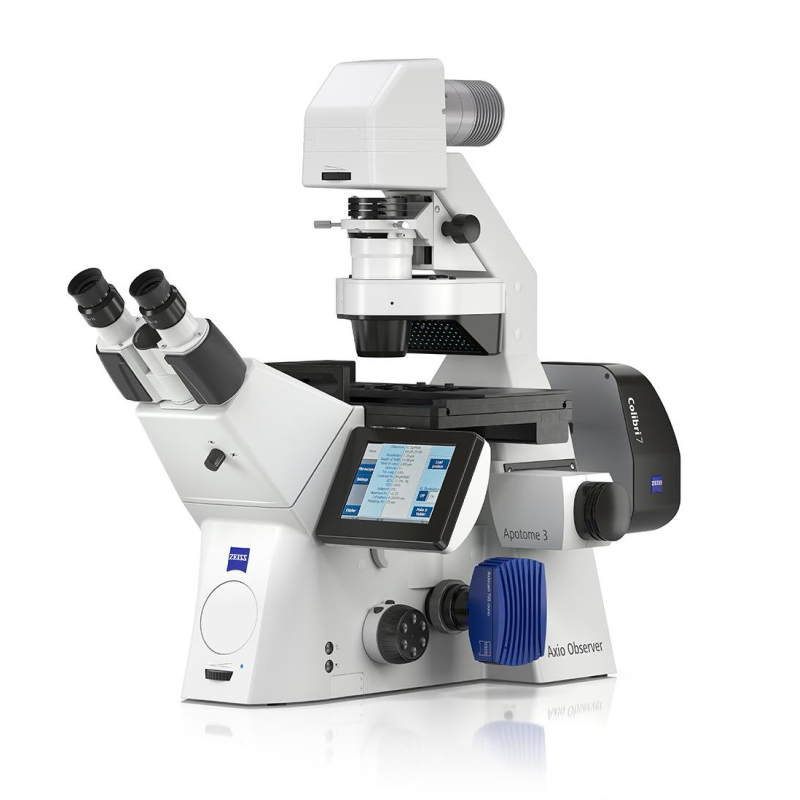
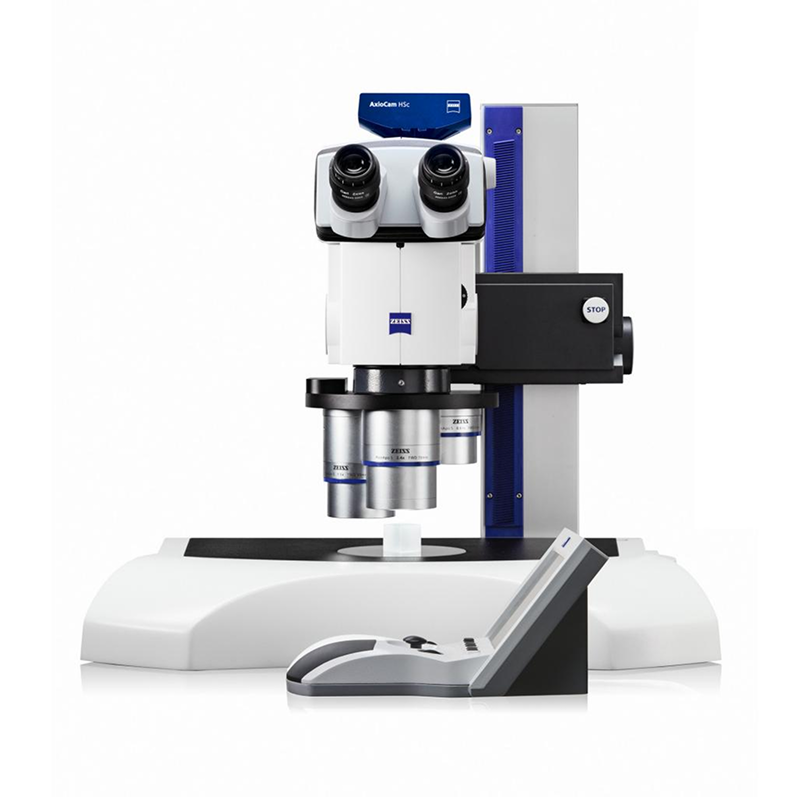
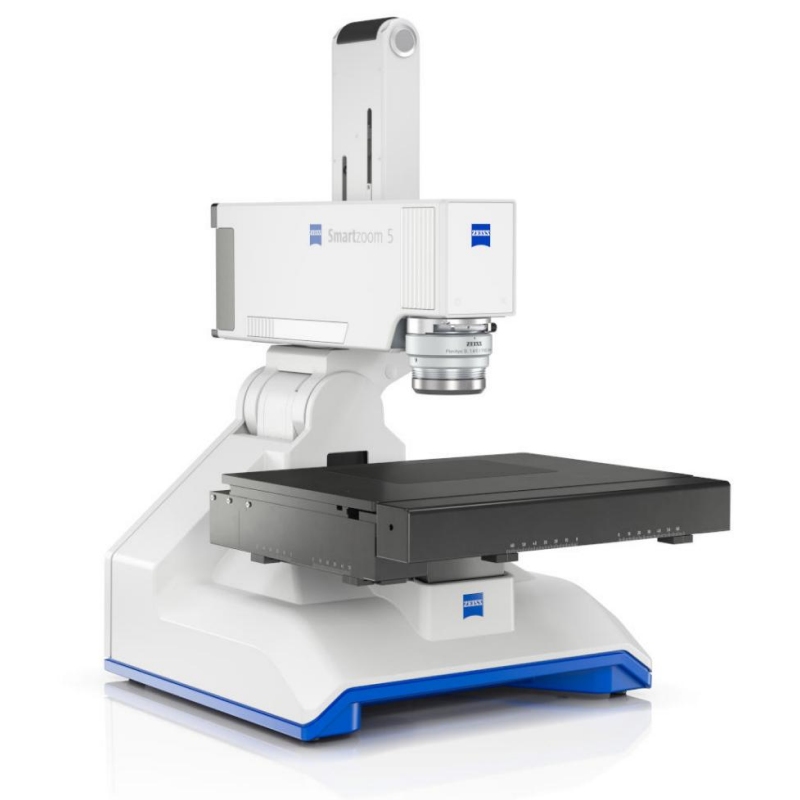
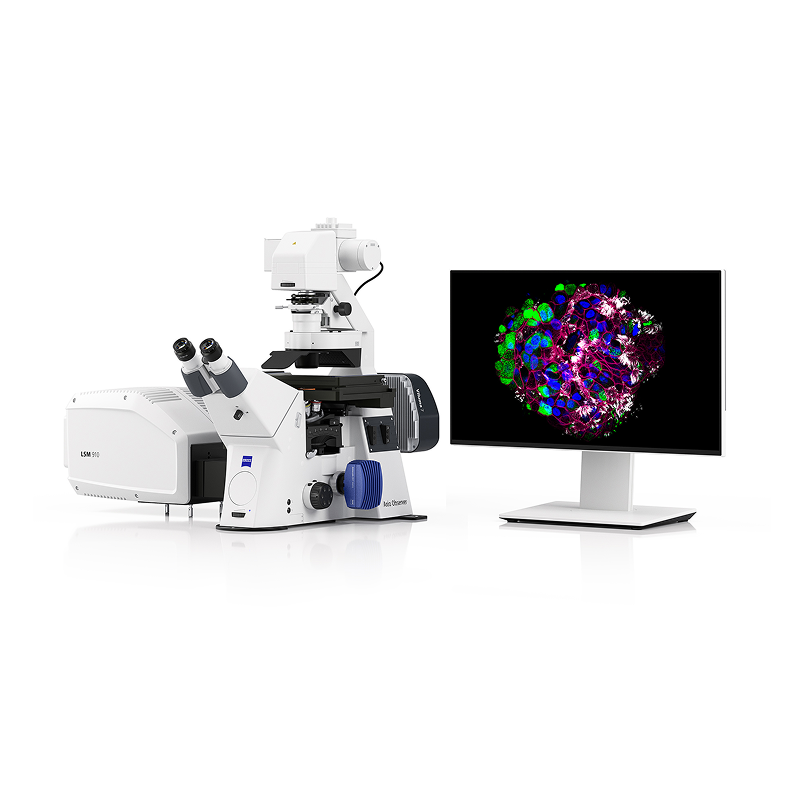
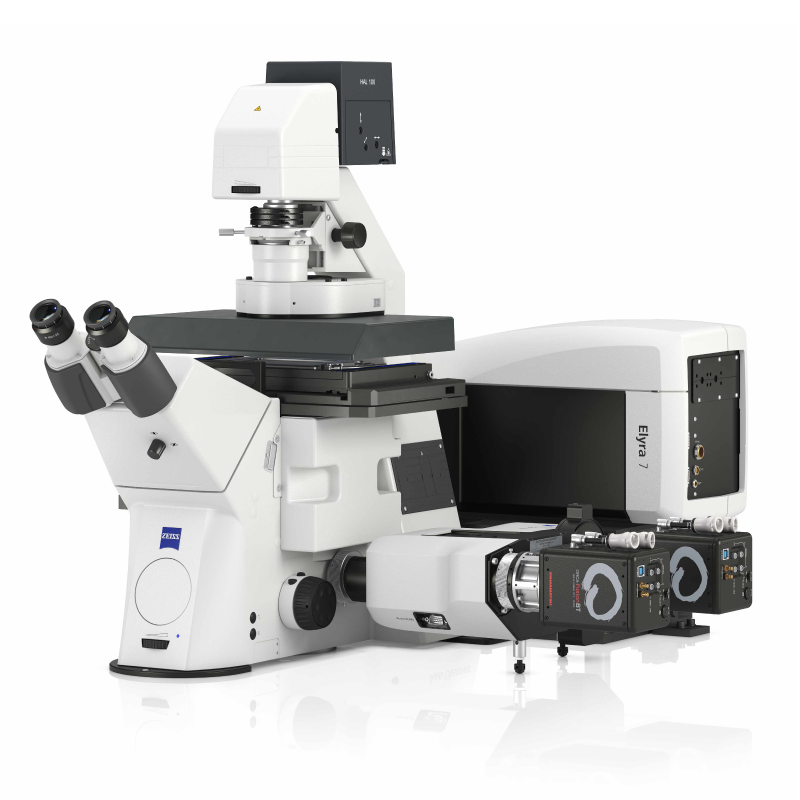
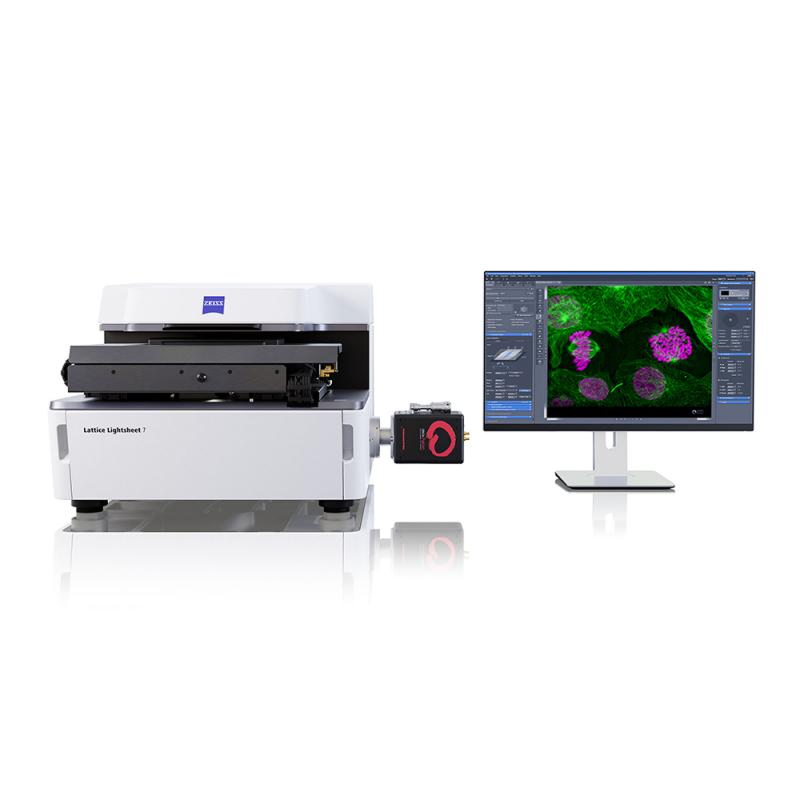
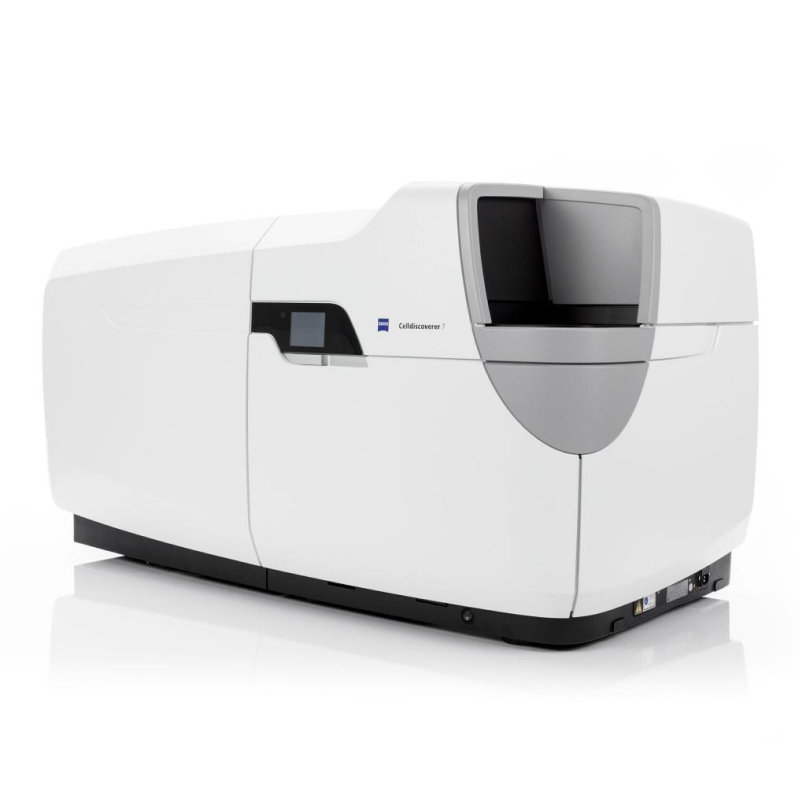
Found 29 goods


- 1
- 2
Optical Microscopy
Optical microscopy is a set of methods for studying microscopic objects based on the use of visible light and optical lens systems to form a magnified image of a sample. It enables investigation of structures across a wide size range — from several millimeters down to approximately 200 nm, limited by the diffraction nature of light. With modern super-resolution approaches, this limit can be reduced to ~20 nm.
Optical microscopy is one of the most widely used and versatile tools in science and industry. It provides both qualitative observation and quantitative analysis, allowing the study of living cells, tissues, materials, and technical samples in real time or after preparation.
Main Types and Systems
Optical microscopy includes:
Classical light microscopes (stereo, upright, and inverted) — basic tools for routine laboratory work, education, and quality control.
Digital microscopy systems — combining optics with digital cameras and software for analysis, documentation, and automation.
Advanced imaging systems, including:
confocal systems (3D imaging);
super-resolution systems;
light sheet systems for fast volumetric scanning.
Main Optical Microscopy Methods
Bright-field microscopy
The simplest and most widely used method, where light passes through the sample. It provides basic contrast and is commonly used for stained specimens.
Dark-field microscopy
Forms images using scattered light — objects appear bright against a dark background. Effective for observing transparent structures such as bacteria.
Phase-contrast microscopy
Allows visualization of transparent, unstained objects by using differences in light phase. Essential for studying living cells.
Fluorescence microscopy
Based on fluorescent markers that emit light when excited. Enables highly specific imaging of DNA, proteins, viruses, and other structures.
Confocal microscopy
Provides optical sectioning and high-quality 3D imaging using laser scanning.
Polarization microscopy
Uses polarized light to analyze anisotropic materials such as crystals, fibers, and minerals.
